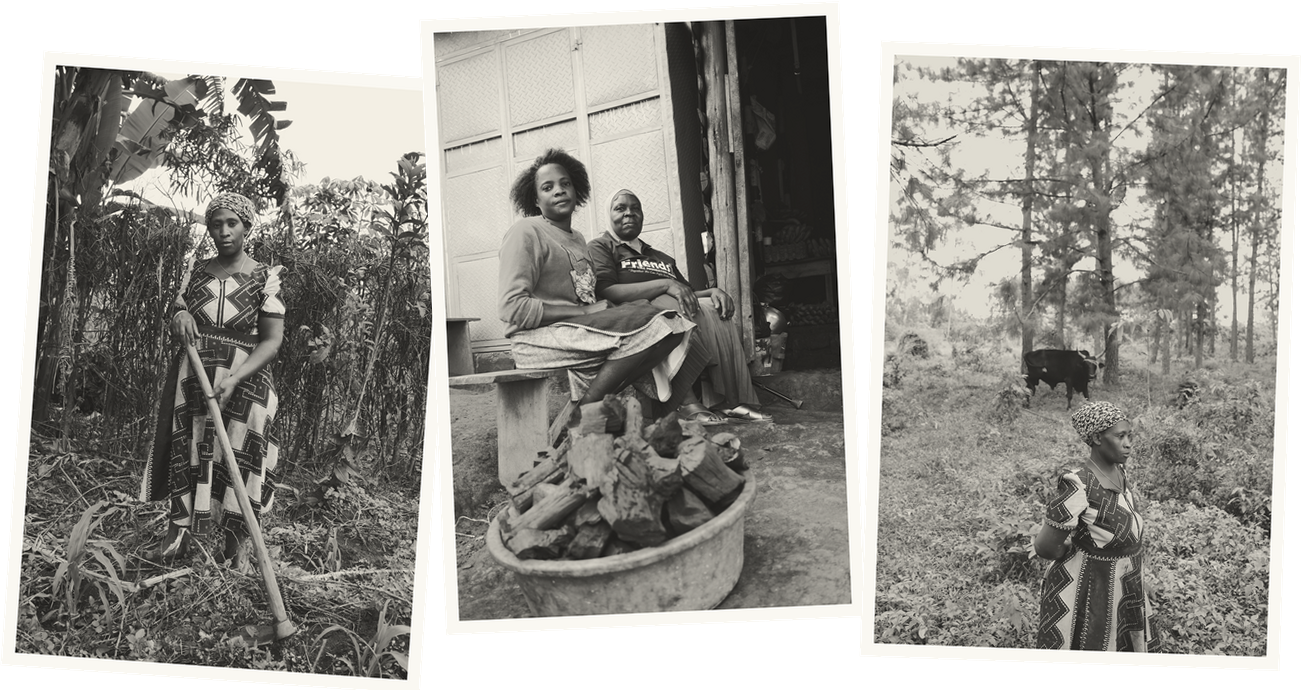
Microfinance as a field has faced sustained scrutiny for over a decade, following the over-indebtedness crises that complicated its founding assumption that credit access alone produces durable poverty reduction. We treat that critique as substantially correct, not as an industry problem happening elsewhere. Our response is specialization: documenting the specific conditions under which this model has actually performed, credit tied to productive purpose, sustained group-level field support, multi-year engagement, and declining to generalize results beyond what the evidence support.

Micro-Loans, Savings and Credit Cooperatives (SACCOS), Village Savings and Lending Associations (VSLAs), and Rotating Savings and Credit Associations (ROSCAS)
Finance

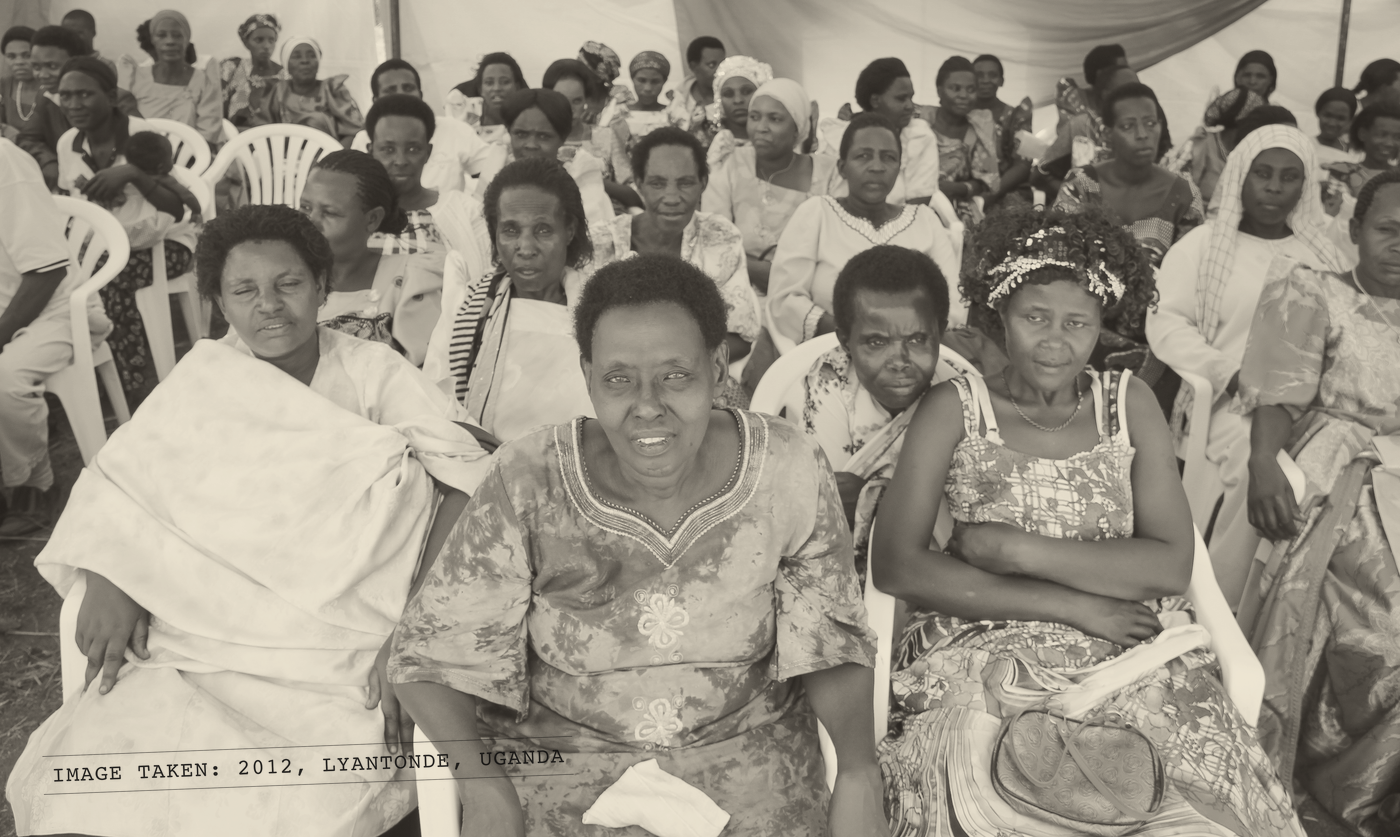
Small loans, managed and repaid by community groups, reinvested again and again. In Malawi, loans go to groups of roughly 60 women who vet each other's business plans before a single shilling moves. In Uganda, loans go to individual women directly. Either way, the model relies on peer accountability instead of collateral, backed by Field Officers who train alongside the lending itself, in record-keeping, pricing, and risk management. This is our anchor programme in both countries, and the model every other programme wraps around, including the wider Savings and Credit Cooperatives (SACCOs) we help strengthen through governance training and shared learning across districts.
We are bringing the same trust-based model home to Canada, too. A ROSCA, a Rotating Savings and Credit Association, is a trust-based lending circle with deep roots across Africa and its diaspora: members contribute regularly, and the pooled fund rotates to a different member each cycle, no bank, no collateral, no interest. Our Canadian initiative offers multilingual toolkits, training for first-time ROSCA leaders, and partnerships with settlement agencies, supporting newcomer and diaspora communities across the country.